Buyer Representation Agreements: What They Are and Why You Need One Before Seeing Homes

If you’ve started looking at homes in Memphis, Collierville, Olive Branch, or Southaven recently, you may have run into something new:
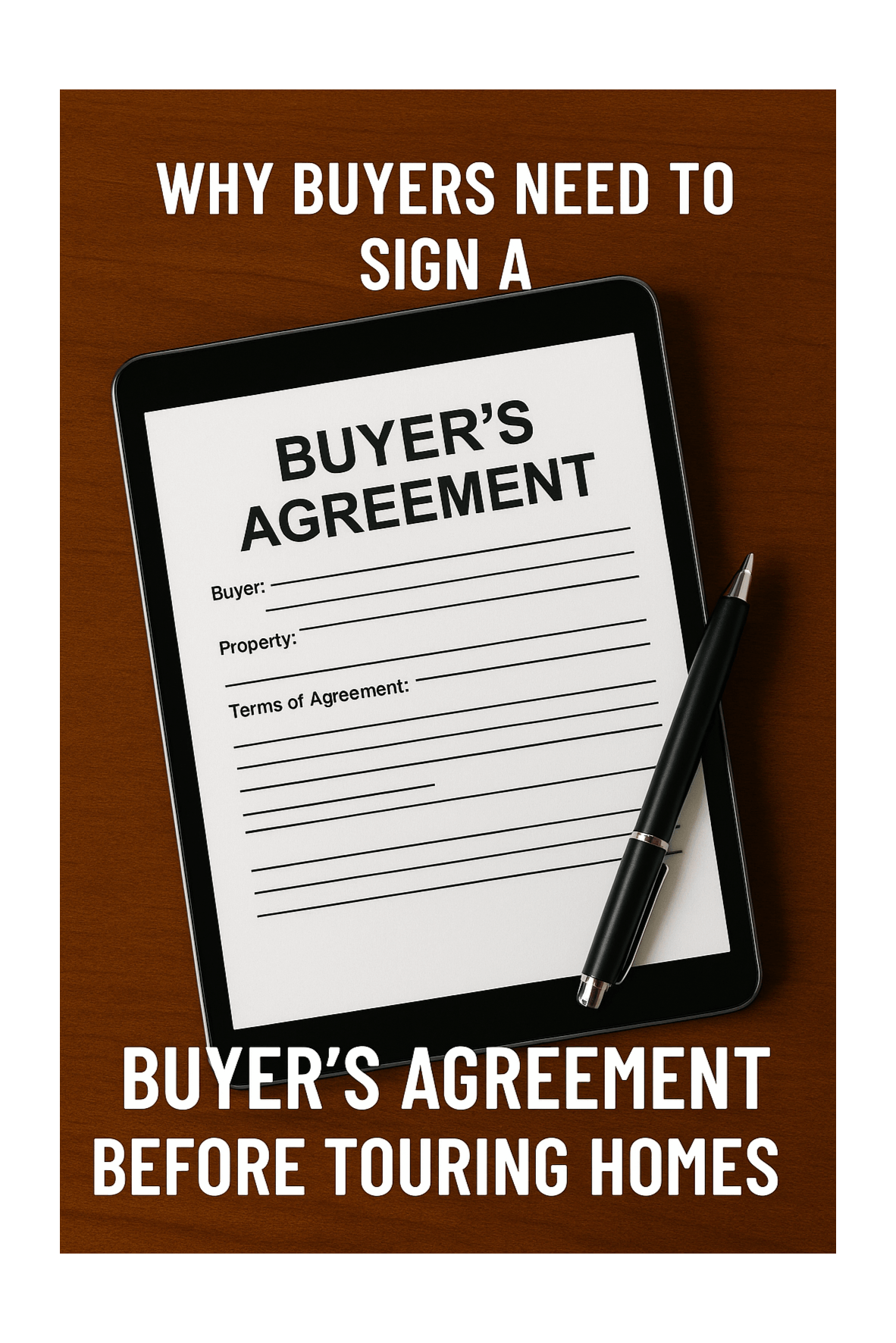
“Before we tour homes, I’ll need you to sign a buyer’s agreement.”
For a lot of buyers, that feels like a surprise—especially if you bought a home years ago and never signed anything before getting in the car with your agent. But this step isn’t red tape for the sake of red tape. It’s now a required part of how Realtors do business and, more importantly, it’s a big part of protecting you as the buyer. National Association of Realtors+1
Let’s break down what a buyer representation agreement is, why it’s now required before showings, and how it actually works in your favor.
What Is a Buyer Representation (Buyer’s) Agreement?
A buyer representation agreement (also called a buyer-broker agreement or buyer agency agreement) is a written contract between you and the real estate professional who’s going to represent you in your home purchase. It explains:
-
What services your agent will provide
-
How long you’ll be working together
-
How your agent will be compensated
-
What’s expected from you as the buyer
In other words, it spells out the relationship so everyone knows the game plan. National Association of Realtors+1
Instead of “Let’s just see a few houses and figure it out later,” a written agreement turns that into:
“Here’s what I’m going to do for you, here’s how I get paid, and here’s how we’re going to work together.”
Why Is It Required Before Touring Homes Now?
Because of recent changes tied to the National Association of REALTORS® (NAR) settlement, agents who are participants in a Multiple Listing Service (MLS) must now have a signed written agreement with a buyer before touring a home, whether that tour is in person or live via video. National Association of Realtors+2National Association of Realtors+2
The goal of these changes is to:
-
Make commissions and fees more transparent
-
Clarify who represents whom in the deal
-
Ensure buyers understand how their agent is paid and what their options are
In the past, many buyers had no idea how much their agent was being paid or who was technically representing their interests. Now, that must be clear up front, before you ever step through a front door.
Tennessee and Mississippi have long recognized the importance of written buyer agreements to define agency relationships and fiduciary duties like loyalty, confidentiality, and care. Mississippi Department of Revenue+1 The newer nationwide rules simply tighten that up and make it standard.
How a Buyer’s Agreement Protects You as the Buyer
This is the part most people don’t realize: the agreement is not just to “lock you in.” It’s actually built to protect your interests.
Here’s how it helps you:
1. You know exactly who is on your side
Without a written agreement, it can be unclear whether an agent is truly representing you or primarily the seller. A buyer representation agreement clearly states that your agent is working for you and your best interests—not just opening doors. National Association of Realtors+1
2. You get your agent’s full focus and strategy
Buying in markets like Memphis, Germantown, or Olive Branch can be competitive. When you sign a buyer’s agreement, you’re telling your agent:
“You’re my person. Let’s go all in.”
In return, your agent can confidently:
-
Spend time studying neighborhoods, comps, and off-market opportunities for you
-
Negotiate hard on your behalf
-
Coordinate inspectors, lenders, appraisers, and contractors
-
Build a Simple, Strategic & Stress-Free game plan customized to your situation
Agents are far more willing to invest this level of time and energy when they know you’ve committed to working together.
3. You get transparency on how your agent is paid
One of the biggest parts of the NAR changes is clear compensation disclosure. Your agreement must spell out:
-
How much your agent will be paid
-
Who’s expected to pay (you, the seller, or a combination)
-
How that payment is structured (flat fee, percentage, etc.) National Association of Realtors+2Barnettassociates.net+2
This means no guessing and no surprises at closing. You’ll know upfront what your agent’s work costs and how those costs can be covered.
4. It lays out exactly what your agent will do for you
A well-written agreement breaks down the services you can expect, such as:
-
Helping you get pre-approved and aligned with the right lender
-
Sending curated listings instead of random “Zillow scroll” overload
-
Scheduling and coordinating showings around your schedule
-
Providing pricing guidance and running comps
-
Writing, presenting, and negotiating offers
-
Managing inspections, repairs, and appraisal issues
-
Walking you through closing
That clarity sets the tone for a smooth, professional experience from the first showing to the day you get the keys. NFM Lending+1
How It Protects Your Agent (and Why That Matters to You)
Real estate agents invest a lot of time and money into each buyer: gas, scheduling, research, contracts, negotiating, follow-up, and more. A buyer’s agreement:
-
Clarifies that if the agent helps you successfully buy a home, they will be compensated
-
Prevents situations where an agent works for months and then the buyer writes an offer with someone else
-
Encourages agents to give you their best effort because the relationship is clear and formal FTR Homes+1
Bottom line: when your agent is protected, they can show up fully for you. And that usually means better strategy, stronger negotiations, and fewer headaches.
Common Myths About Buyer’s Agreements (And the Truth)
Myth #1: “If I sign this, I’m stuck forever.”
Most agreements have a clear time frame and a way to modify or end the agreement by mutual consent if things aren’t working. You’re not signing away your life. National Association of Realtors
Myth #2: “If I sign this, I have to pay a huge commission out of pocket.”
Not necessarily. The agreement explains how your agent will be paid—but that doesn’t always mean it comes directly from you. In many cases, you and your agent can still negotiate for the seller to contribute toward your agent’s fee as part of the deal. National Association of Realtors+1
Myth #3: “This is just for the agent’s benefit.”
No. The whole reason regulators, MLSs, and NAR pushed these changes is transparency and consumer protection. Written agreements reduce confusion, clarify expectations, and make your rights as a buyer stronger—not weaker. National Association of Realtors+1
What My Buyer’s Agreement Looks Like (Memphis & Surrounding Areas)
When I sit down with buyers in Memphis, Collierville, Germantown, Bartlett, Olive Branch, Southaven, Byhalia, or across Shelby, Fayette, DeSoto, and Marshall counties, here’s my approach:
-
We go through the agreement line by line
-
I explain what I do, what you can expect, and how I get paid
-
We talk about your timeline, budget, and goals
-
We customize the length and terms so it fits your situation
My goal is always relationship, not just a transaction. The agreement is simply the written foundation that lets us move forward in a Simple, Strategic & Stress-Free way.
What You Can Do Next
If you’re curious about buying—whether now or in 2026—here’s your next move:
-
Ask questions. Don’t be shy about asking any agent to explain their buyer’s agreement.
-
Know your numbers. Get pre-approved or at least start the conversation with a lender.
-
Sit down for a strategy session. Before we ever step into a home together, we’ll walk through your goals, the agreement, and the plan to get you the keys.
When you’re ready to talk about buying in Memphis or the surrounding areas, reach out. We’ll get your agreement signed, your questions answered, and your game plan set—before we hit the road to tour homes.
Categories
Recent Posts